Introduction
Installing a Colorbond fence can be an exciting project, turning your backyard into a private sanctuary while improving your home's visual appeal. However, diving headfirst into this endeavor without the best understanding can lead to a series of costly errors. Whether you're a DIY enthusiast or hiring experts, comprehending common mistakes to prevent throughout your Colorbond fence installation is important. In this article, we'll explore the risks that many face and supply guidelines to guarantee your installation goes smoothly. So buckle up as we look into the adventurous journey of establishing your Colorbond fence!
Common Errors to Avoid Throughout Your Colorbond Fence Installation
When embarking on an experience as thrilling as setting up a Colorbond fence, clearness about possible oversights can conserve you time, money, and aggravation. Let's dig deep into some common errors house owners make throughout their installations.
Not Checking Local Regulations and Permits
Before you grab that shovel and begin digging, have you consulted your regional council? Lots of people ignore the importance of validating guidelines surrounding fencing installations. Various areas have particular laws regarding height limitations, limit lines, and even products used.
Why Regional Laws Matter
- Avoid Fines: Neglecting these guidelines might leave you dealing with fines or needing to dismantle your recently set up fence. Boundary Disputes: Understanding where your residential or commercial property line ends and your next-door neighbor's starts avoids future conflicts.
Ignoring Ground Conditions
Did you understand that ground conditions play a considerable role in how durable your fence will be? Numerous folks leap straight into the installation without examining whether their soil is soft, tough, sandy, or clay-heavy.
Assessing Soil Types
- Soft Soil: May require deeper posts to maintain stability. Clay Soil: Can expand and contract with wetness modifications; consider this in your planning.
Choosing the Incorrect Type of Posts
When picking posts for your Colorbond fence, it's not just about visual appeals! The kind of posts you select straight affects the sturdiness and durability of the fence.
Types of Posts to Consider
Steel Posts: Best for strength and stability. Timber Posts: Though more affordable at first might rot in time if not treated properly. Concrete Posts: Provide exceptional toughness however can be challenging to install.Underestimating Setup Costs
Budgeting for a home project like this isn't practically materials alone; labor costs can slip up on you if you aren't careful!
Factors Affecting Costs
- Material Quality: Higher gauge steel will cost more but last longer. Labor Charges: Expert installation normally demands more than DIY efforts however often leads to fewer mistakes.
Neglecting Appropriate Drain Solutions
Water pooling around fence posts can compromise them with time. Setting up a brand-new fence without considering drainage resembles building a ship without looking for leaks!
Ways to Make sure Proper Drainage
- Create trenches or channels that direct water away from the base of posts. Use gravel at the base of each post for enhanced drainage.
Forgetting About Upkeep Access
Many people focus entirely on looks throughout installation but ignore maintenance access later.
Planning for Future Care
Make sure there's enough area in between plants or structures so you can easily paint or fix any damage down the road.
DIY vs Professional Setup: Pros and Cons
Should I opt for DIY or work with experts? This question frequently afflicts first-time property owners wanting to install a Colorbond fence. Let's simplify here!
Benefits of DIY Installation
Cost Savings Complete Control Over Design Sense of AccomplishmentDrawbacks of do it yourself Installation
Time-consuming Risk of Errors Lack of Professional ToolsAdvantages of Employing Professionals
Expertise in Execution Time Efficiency Warranty on WorkmanshipDisadvantages of Hiring Professionals
Higher Costs Less Personal Control Over Style Choices Potential Scheduling ConflictsThe Right Tools for Your Colorbond Fence Installation
Before embarking on your journey, having the right tools is important! You wouldn't set sail without navigational devices; likewise, don't try this task without necessary tools at hand!
Essential Tools Checklist
- Post Hole Digger Level Tape Measure Hammer or Mallet Safety Gear (Gloves & & Safety glasses)
FAQs About Colorbond Fence Installation
1. What is a Colorbond fence?
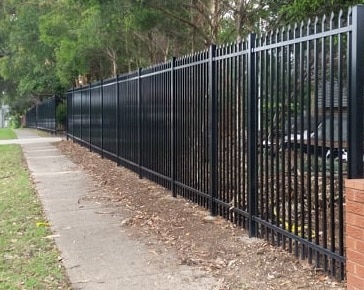
A Colorbond fence is made from pre-painted steel panels that are durable and resistant to weather components while offering numerous colors for aesthetic appeal.
2. How long does it require to install?
Typically, it takes around one day for expert setup depending on the size of the area being fenced.
3. Do I need permits?
Yes! Always consult regional regulations as authorizations might be required before setup begins.
4. What is the typical cost?
Costs can vary commonly based upon materials selected; nevertheless, a typical estimate ranges from $75-$100 per meter installed.
5. Can I paint my Colorbond fence later?
Colorbond fences come pre-painted; painting Learn more them later on isn't usually recommended due to guarantee problems but talk to professionals if necessary.
6. How do I maintain my Colorbond fence?
Regular cleansing with water will keep it looking fresh; likewise examine occasionally for rust or damage that might need attending to immediately.
Conclusion
In summary, setting up a Colorbond fence isn't just about slapping some panels together-- it's a complex process fraught with possible missteps if you're not cautious! By avoiding these typical mistakes during your color bond fence setup-- from comprehending local policies to choosing appropriate products-- you'll pave the way for success in producing an appealing yet functional border around your property.
So whether you have actually gone with DIY or chosen to hire experts, keep in mind these tips as you start this exciting experience! Happy fencing!